Ram Mandir Trust & Donations — Official Ways to Contribute Safely (2026)
Who runs Ram Mandir, and how to donate safely: the official Shri Ram Janmbhoomi Teerth Kshetra portal, payment methods, 80G tax benefit, and common donation scams to avoid.
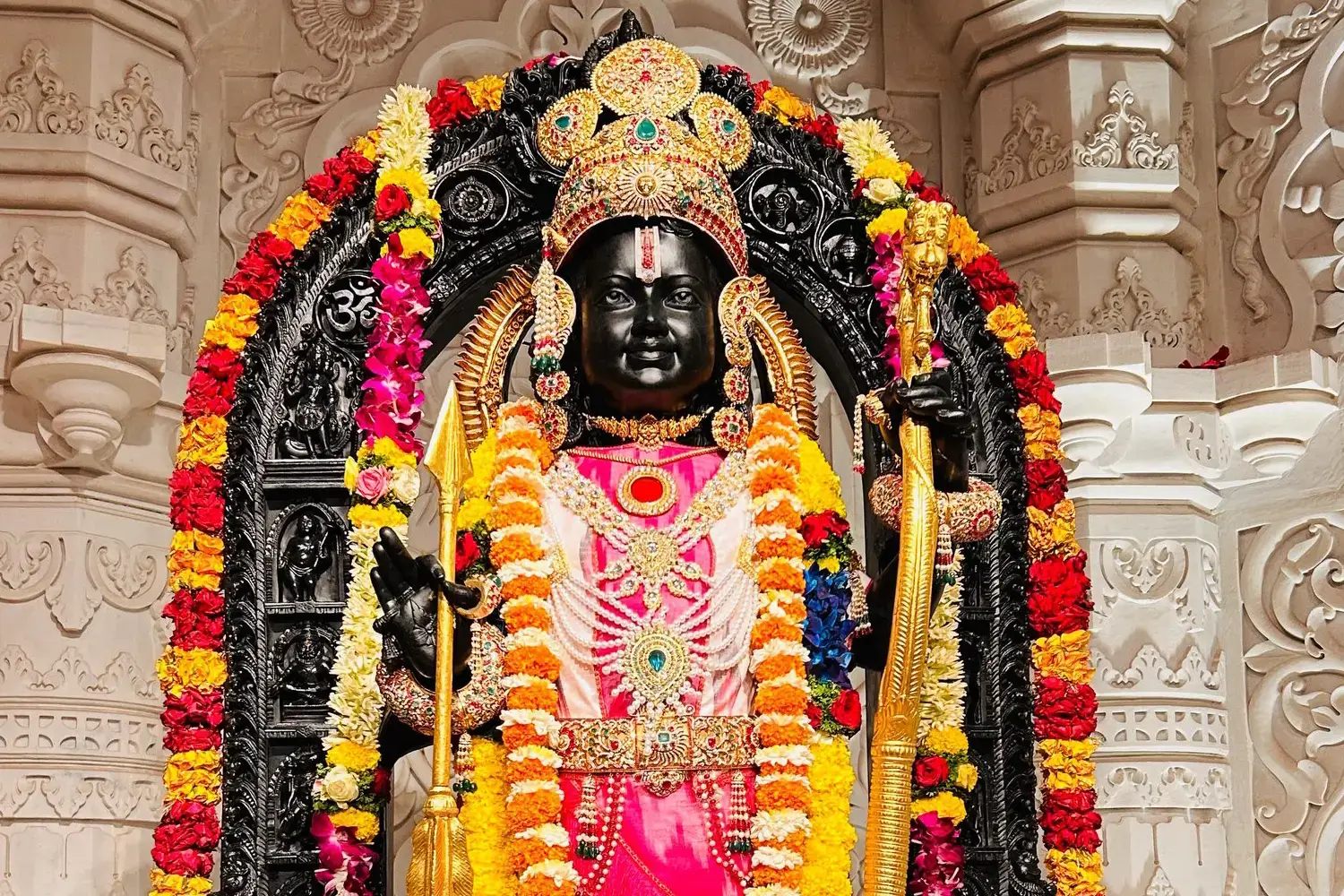
Who actually runs Ram Mandir donations
Ram Mandir's construction and finances are managed by Shri Ram Janmbhoomi Teerth Kshetra (SRJBTK), a trust the Government of India constituted in February 2020 after the Supreme Court's November 2019 verdict on the Ram Janmabhoomi case. It is not a government department — it's an independent religious trust, and it is the only body authorised to collect donations for the temple.
Key office bearers:
| Role | Name |
|---|---|
| President | Mahant Nritya Gopal Das |
| General Secretary | Champat Rai |
| Treasurer | Swami Govind Dev Giri |
This matters for pilgrims because donation fraud has repeatedly targeted the temple's name — knowing who the legitimate trust is makes it easier to spot impersonators.
Trust and construction timeline
| Date | Milestone |
|---|---|
| 9 November 2019 | Supreme Court verdict settles the Ram Janmabhoomi title case |
| February 2020 | Government of India constitutes Shri Ram Janmbhoomi Teerth Kshetra |
| 5 August 2020 | Bhoomi Pujan (foundation stone) ceremony held on-site |
| 22 January 2024 | Pran Pratishtha — consecration of the Ram Lalla idol in the sanctum |
| Late 2025 | Trust reports donations crossing ₹3,000 crore, with full temple complex completion expected soon after |
Treat these as historical reference points, not live figures — for current donation totals or construction status, check the trust's own updates on srjbtkshetra.org rather than third-party estimates.
Official ways to donate
The trust operates a single official portal: srjbtkshetra.org. Do not use any other website, app, or third-party link claiming to represent it.
On the official site, under the Donation section, you can contribute through:
- Online via the website — log in with your mobile number, verify with the OTP sent to you, then pay from a linked SBI, PNB, or Bank of Baroda account (other banks are added periodically).
- BBPS (Bharat Bill Payment System) — the trust is listed as a biller on BBPS, so you can pay through any BBPS-enabled UPI app (Google Pay, PhonePe, BharatPe, and similar).
- UPI — directly through apps that support BBPS billers.
- Cheque or internet banking — for larger or institutional contributions, follow the instructions listed on the official site rather than sending funds to any individual's account.
There is no in-person donation counter that outranks the official site for online giving — if you want a physical receipt or wish to donate in person during your Ram Mandir darshan visit, ask only at official trust or temple administration counters, not from individuals approaching you near the complex.
Tax benefit: Section 80G
Donations to the trust are eligible for deduction under Section 80G(2)(b) of the Income Tax Act, 1961, since the Ram Janmabhoomi temple has been recognised as a place of historic importance and public worship. A few practical points:
- Keep the receipt or transaction confirmation generated by the official portal — you'll need it while filing your tax return.
- As with all 80G donations under Indian tax law, cash donations above ₹2,000 are not eligible for the deduction. Pay via UPI, net banking, card, or cheque instead.
- Deduction limits and the exact eligible percentage can change with tax rules — confirm current details with a tax advisor or the CBDT notification linked from the trust's website before filing.
Common scams to watch for
The trust's own general secretary has publicly cautioned devotees about fraud carried out in the temple's name. Typical patterns to avoid:
- Unsolicited calls or messages asking you to donate urgently, often citing a fake deadline or "special quota."
- People claiming to be trust karyakartas (volunteers) who collect cash donations in person, on trains, at stations, or near the temple complex — the trust does not authorise door-to-door or street collection.
- Fake QR codes or payment links circulated on social media or messaging apps that redirect funds to personal or unrelated accounts.
- Lookalike websites with URLs similar to srjbtkshetra.org — always type the address directly or use a bookmarked link rather than clicking one sent to you.
If you're unsure whether a request is genuine, don't pay — verify first through the official website, or simply skip it. Donating (or not) has no bearing on your darshan access or Sugam e-pass eligibility; entry to Ram Lalla's darshan remains free for all pilgrims.
Quick summary
| Question | Answer |
|---|---|
| Who to donate to | Shri Ram Janmbhoomi Teerth Kshetra only |
| Where | srjbtkshetra.org — Donation section |
| How | Website (OTP login), BBPS/UPI, cheque, net banking |
| Tax benefit | 80G(2)(b); cash over ₹2,000 not eligible |
| Red flags | Unsolicited callers, in-person collectors, unofficial QR codes/links |
For everything else about visiting — timings, passes, and what to expect — start with our Ram Mandir darshan guide or the first-time pilgrim checklist.
This guide covers publicly available donation procedures and is not financial or tax advice. Confirm current rules directly on srjbtkshetra.org or with a tax professional.
Last updated: 20 July 2026.
Continue Reading
Ayodhya Medical Facilities Guide: Hospitals, Pharmacies, and Emergency Services
Ayodhya — a complete guide for pilgrims and visitors to Ayodhya.
Ayodhya Taxi Services: Bookings and Rates
Ayodhya taxi services — a complete guide for pilgrims and visitors to Ayodhya.
ATMs and Banks in Ayodhya: Locations and Services
Ayodhya ATMs — a complete guide for pilgrims and visitors to Ayodhya.
Ram Mandir Darshan Guide
Complete darshan timings, VIP pass and rules.
Ayodhya FAQ
Answers to the most asked pilgrim questions.
2-Day Itinerary
Perfect weekend yatra plan.
Popular searches