This is an extended companion page. For the main reference on overlapping topics, start here first.
How to reach Ayodhya (transport hub)Why visit Ayodhya now
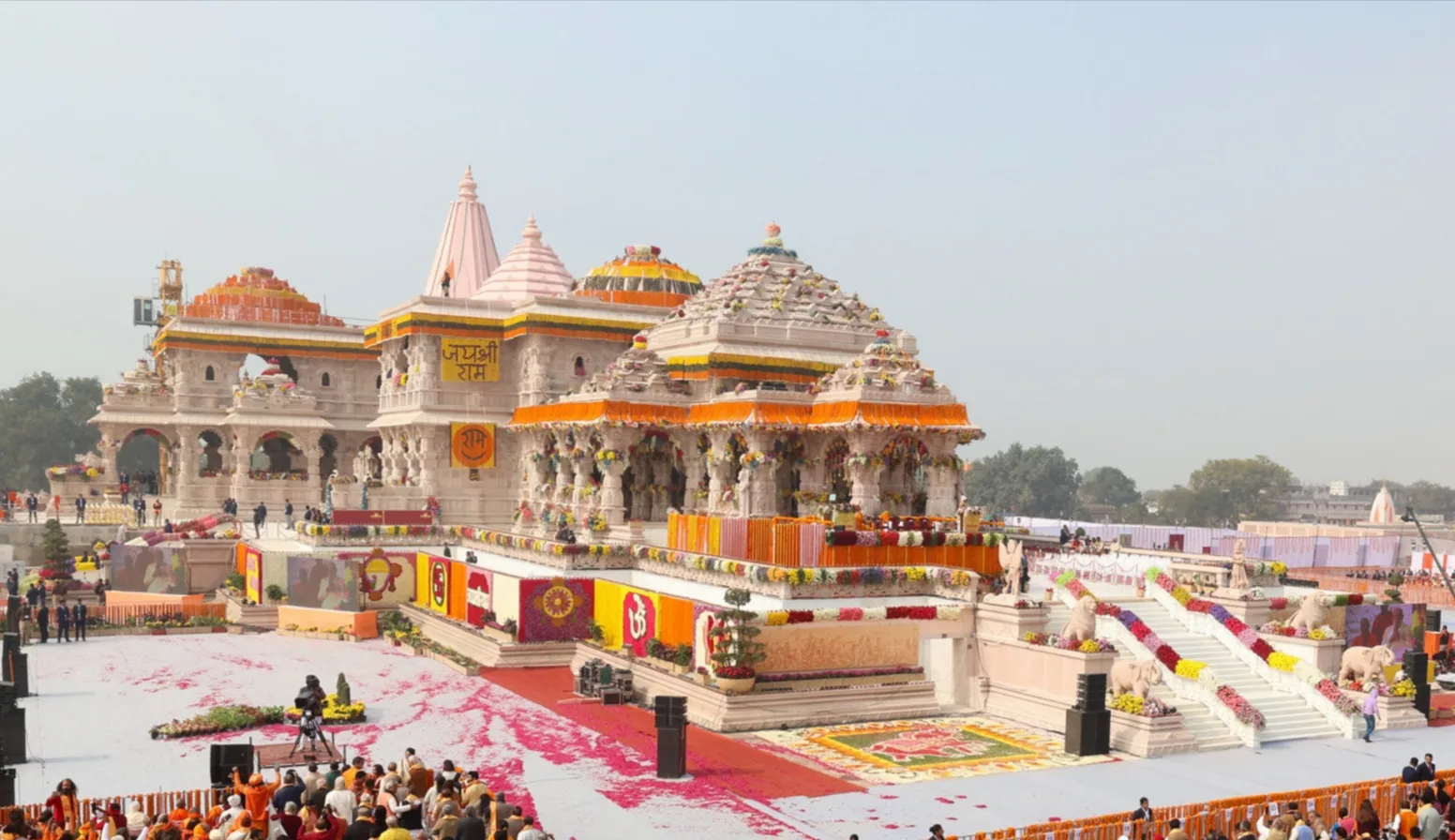
Ayodhya is the birthplace of Lord Rama and home to the consecrated Ram Janmabhoomi Mandir (22 January 2024). The city has new airport connectivity, upgraded Ram Path, and expanded pilgrim facilities - making a first visit easier than ever.
Plan at least two days if you want unhurried darshan, Hanuman Garhi, Kanak Bhawan, Saryu aarti, and a little time to absorb the atmosphere.
How to reach Ayodhya
- By air - Maharishi Valmiki International Airport (AYJ), ~15 km from Ram Mandir (~30 min by taxi). Direct flights from Delhi, Mumbai, Bengaluru, Ahmedabad, Kolkata, Hyderabad, and Chennai. Alternative: fly to Lucknow (LKO, ~135 km) and take a cab or train - often cheaper for families.
- By train - Ayodhya Dham Junction (AY) is closest (~1.5–2 km from the temple; 5–10 min by e-rickshaw). Ayodhya Cantt (AYC) is ~8 km. Book early for festivals - trains from Delhi, Lucknow, Varanasi, Patna, and Mumbai fill fast.
- By road - Lucknow to Ayodhya is ~135 km (2.5 hrs via NH-27). Varanasi is ~200 km (~4–5 hrs). Gorakhpur ~140 km; Prayagraj ~165 km.
- By bus - UPSRTC volvo and ordinary services from Lucknow, Varanasi, and Gorakhpur to Ayodhya bus stand (~1–2 km from temple).
Where to stay
First-timers should stay within 1.5 km of Ram Mandir so you can walk to Hanuman Garhi, Kanak Bhawan, and evening Saryu aarti without relying on autos.
UP Ayodhya does not recommend specific hotels - use our stay page for review-sourced names, then verify ratings and prices on Google Maps or booking sites before you pay.
- Luxury / premium - properties such as The Ramayana Hotel, Taj Vivanta, and Radisson often appear in pilgrim searches (check live reviews).
- Mid-range & budget - lodges along Ram Path and aggregator listings; read recent photos and ratings carefully.
- Dharamshalas - Birla, Jain, and Kanak Bhawan trusts offer low-cost stays; contact them directly for festival rules.
- Book 2–3 months ahead for Ram Navami, Deepotsav, and winter weekends.
Local transport
- Ram Path and the temple core are largely pedestrian - expect 5–7 km walking per day.
- E-rickshaws and autos for Guptar Ghat, airport, or station runs (₹30–80 for short hops).
- Official parking lots with shuttle services to the temple during peak days - check signage on Ram Path.
What to pack
- Comfortable walking shoes (you will remove them frequently at temples).
- Modest clothing covering shoulders and knees; light cotton for summer, layers for winter mornings.
- Government photo ID (mandatory for darshan registration and Sugam pass).
- Small cloth bag for prasad; leave phones and cameras at hotel or in free lockers near the temple.
- Reusable water bottle, sunscreen, and a thin dupatta/shawl for temple queues.
Common mistakes to avoid
- Visiting only in the 11 AM–2 PM heat window - use that time for lunch and rest; do darshan early morning or late afternoon.
- Skipping Sandhya aarti at Ram Mandir or Saryu ghat - it is the emotional highlight for many pilgrims.
- Believing paid "VIP darshan" on random websites - official Sugam Darshan is free at srjbtkshetra.org / online.srjbtkshetra.org.
- Underestimating festival crowds - queues can run 3–6+ hours without a Sugam slot on peak days.
Best time to visit
- October–March - pleasant weather (12–28°C), ideal for parikrama and ghats.
- Weekdays - shorter darshan queues than Saturday–Sunday.
- Deepotsav & Diwali (Oct–Nov) - magical but crowded; book months ahead.
- Avoid May–June midday unless you are festival-bound - temperatures can cross 40°C.
Last updated: 20 July 2026. Sources: UP Tourism, SRJBTKT.